Search Menu Button Menu Button
[wpdreams_ajaxsearchpro id=2]

Transforming Communities & Culture Through AI – 2026


TEDxBradley University invites the Central Illinois community to explore how artificial intelligence is reshaping the way we connect, compete, collaborate, and create. From classrooms to boardrooms and even digital arenas, AI is redefining how communities form and thrive. TEDxBradley University will return Wednesday, Sept. 30, from 5 – 7 p.m.

Ideas Change Everything!

Ideas pave the road for creative and transformative thinking to tackle today’s complex societal challenges and design solutions that address tomorrow’s societal realities. Thought leaders will deliver compelling, idea-driven talks that spark collaboration, promote ethical AI use, and empower individuals to create networks and neighborhoods. Join us to discover how AI can transcend divides, amplify human connections, and help build resilient communities.

2026 Guest Speakers:
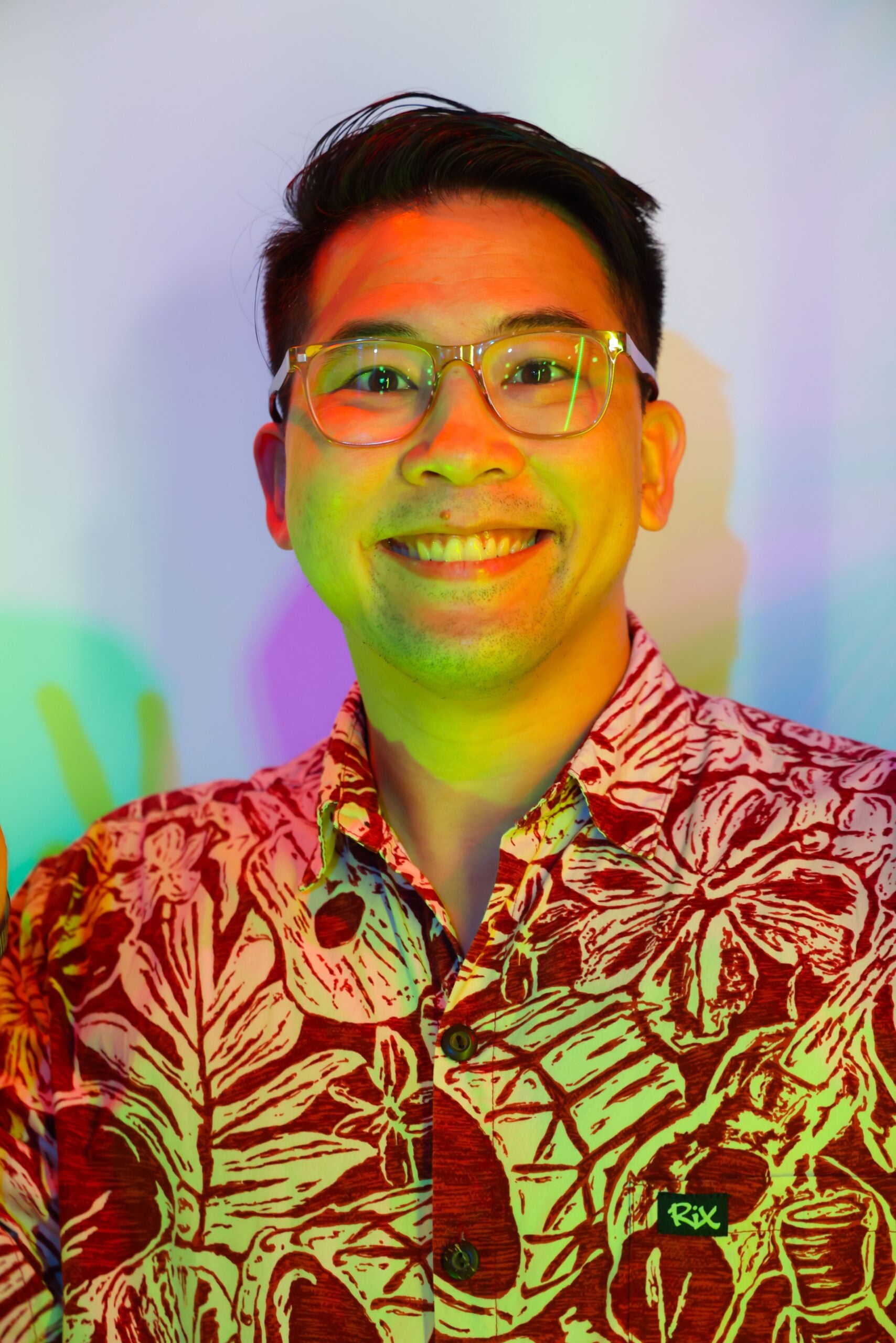
Ryan Terao – Founder & CEO, PsychSensei
Video games are often dismissed as distractions, time wasters, and even brain rot. In this TEDx talk, clinical and esport psychologist Dr. Ryan Terao challenges the notion that gaming is “just a game” and reframes it as one of the most powerful tools for cognitive growth, intentional living, and human connection.

Dr. Terao draws from neuroscience, psychological research, and his direct work coaching gamers from casual players to elite esport competitors to reframe gaming as a deeply human experience rather than a modern escape from it. In this talk Dr. Terao proposes that the true benefits of gaming are not determined by what we play but instead it is determined by why we play them. Through the Perspective, Intention, and Connection (PIC) framework, the audience will discover how approaching games with purpose transforms gaming from passive entertainment into opportunities to build resilience, sharpen mental skills, and strengthen relationships.

Whether your game of choice is Wordscapes, Minecraft, League of Legends, or the New York Times crossword, this talk emphasizes that we are all gamers and that playing games isn’t just about getting good at gaming, it’s about getting good at life itself.

Dr. Ryan Terao, PsychSensei, is a licensed clinical psychologist and clinical esports psychologist who specializes in improving the mental health, performance, and team development within the competitive gaming space. Dr. Terao earned his B.S. in Psychology with an emphasis in neuroscience from Pacific University, completed both his M.A. and PsyD at Azusa Pacific University, and finished a postdoctoral fellowship at the University of Southern California. Using a systems-based approach, Dr. Terao combines his clinical expertise, research, and esports experience to help his clients develop the cognitive flexibility and resilience needed to thrive in competition. Dr. Terao has worked with players, coaches, and organizations in the amateur, collegiate and professional spaces and across titles including League of Legends, Valorant, Counter-Strike, Call of Duty, Super Smash Bros, and StarCraft II.


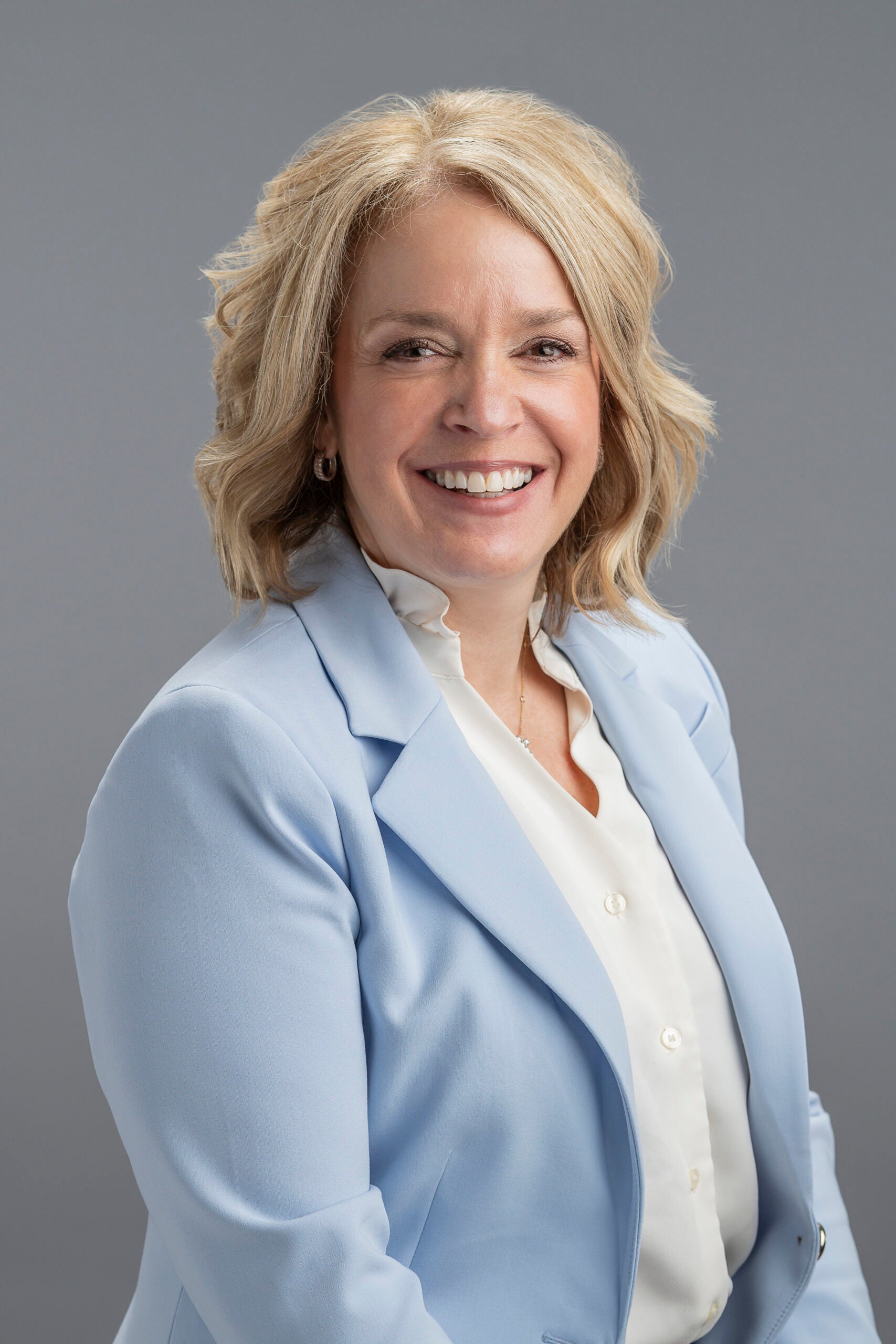
Becky Buchen – Senior VP of Innovation and Transformation, OSF
Artificial intelligence is rapidly transforming healthcare. From improving efficiency to enhancing patient experiences, AI is already helping address some of the system’s most pressing challenges. At OSF HealthCare, these innovations are streamlining workflows and supporting care teams in meaningful ways. However, alongside this progress comes important questions about trust, equity, and safety. Without the right safeguards, AI has the potential to introduce new risks or widen existing gaps. This talk explores how organizations can move quickly while maintaining strong guardrails – ensuring a human remains at the center of every decision. Becky Buchen shares how a thoughtful, balanced approach to AI can create lasting benefits for patients, clinicians, and communities.

Becky Buchen brings more than 30 years of healthcare leadership experience in innovation, performance improvement, clinical operations, finance, and digital transformation. She has led large-scale initiatives in care transformation, organizational redesign, and innovation ecosystem development. Becky established the Office of Innovation Management and led OSF Innovation’s ROI process, producing measurable outcomes and licensing agreements. She oversees Performance Improvement, Healthcare Analytics, Innovation Studio, Applied Research, OSF Ventures, and Simulation at OSF HealthCare. Her leadership in Lean and rapid improvement methodologies has fostered a culture of continuous improvement. Becky also created the Enterprise Portfolio Management Office and the Transformation Executive Council, which governs OSF’s innovation portfolio. OSF HealthCare operates 16 hospitals across Illinois and Michigan, with more than 2,100 licensed beds and 27,000 employees across 170+ locations.


Cory Boulton – Director of Choral Activities & Music Education, BU
Leadership is not the thing we do. It’s what the room becomes when we do it.

In this talk, conductor, educator, and embodied leadership researcher Cory Boulton makes the case that the most urgent problem in leadership isn’t a people problem, but a readiness problem: one that lives entirely with the leader.

Drawing on neuroscience, twenty-five years on the podium, and one unforgettable student, Boulton reframes what it means to be ready. Because those in your charge aren’t just watching you…they are becoming you.

In an era where AI can out-execute us on every technical layer, the most powerful thing a human being brings to their people isn’t what they know, but who they are.

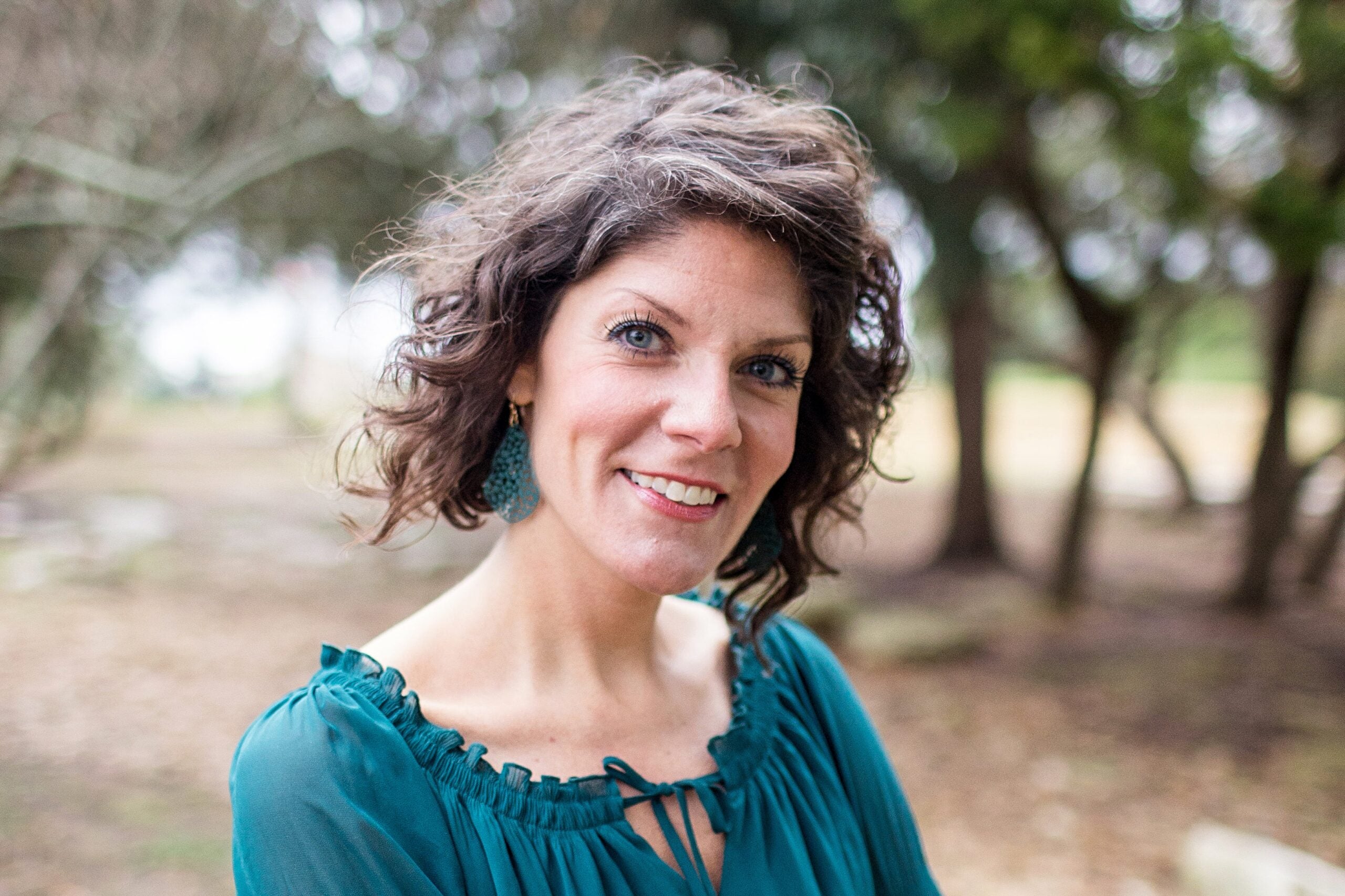
Dr. Cory Boulton is a musician, conductor, and educator whose life’s work sits at the intersection of presence, leadership, and sound. As Director of Choral Activities and Coordinator of Music Education at Bradley University, she works with ensembles and educators on the conditions that make transformational collective experiences possible, and what leaders must embody to create them.

An active adjudicator, clinician, and researcher, Dr. Boulton presents regularly on choral sound, peak rehearsal experiences, and embodied leadership. Her platform, Meeting What’s Here, extends this work to leaders across industries who are ready to lead from presence rather than performance.

She holds a Ph.D. in Choral Music Education from the University of Missouri–Kansas City Conservatory of Music and Dance.


Ranen McLanahan – KEEN Program Director, Kern Family Foundation
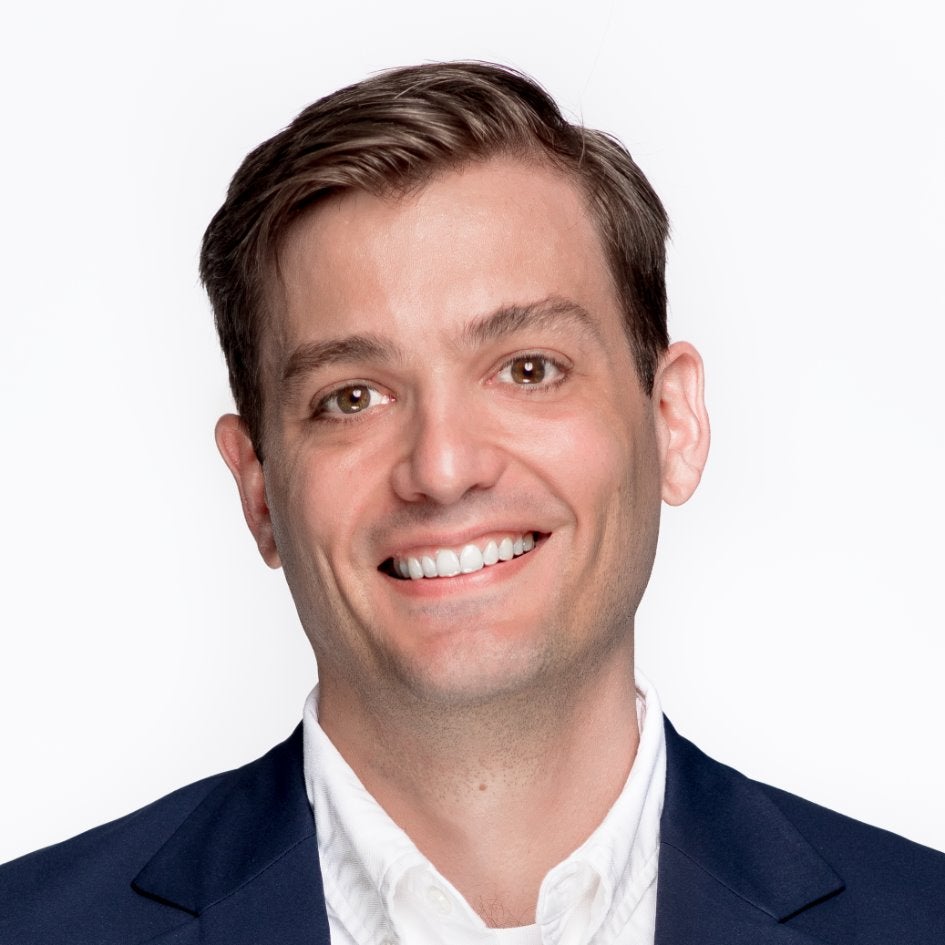
When I was three years old, I encountered my first important mystery. I realized that the world could work in semi-infinite ways, and I needed the correct tools to figure it out. That realization has followed me for forty years, through classrooms, career changes, and now into an age where it has never been easier to access competence. So why should any of us still bother learning anything anymore? The answer is more personal, more consequential, and more empowering for ourselves and our communities than we may realize.

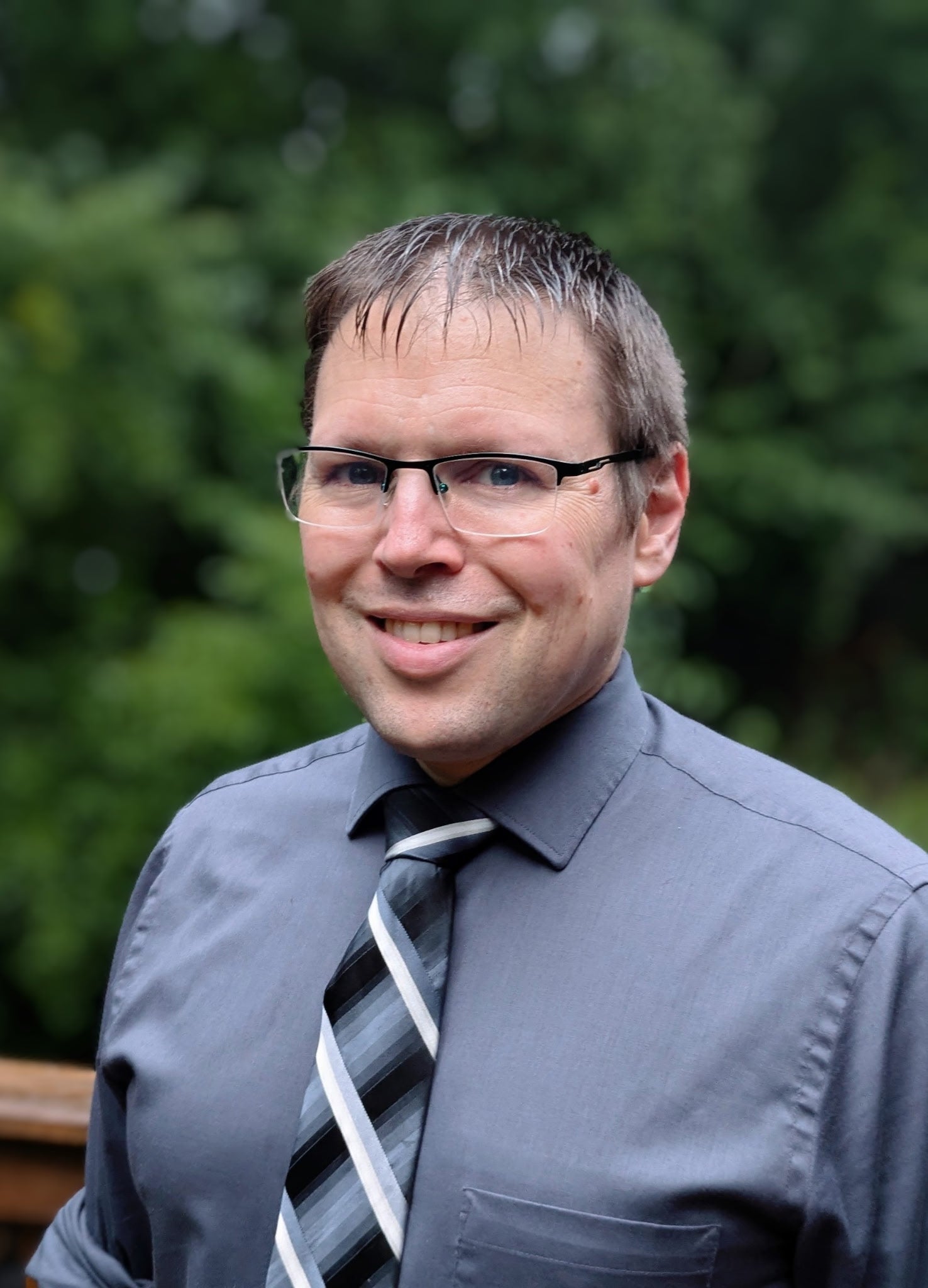
A. L. Ranen McLanahan, Ph.D., started his career on a floating factory ship in Alaska before moving into research and then spending 12 years as engineering faculty. During that time, he co-founded a community R&D innovation center (3DC) where students develop intellectual property alongside local inventors and companies, launched a consulting company (Critical Flux LLC), and earned multiple awards for his teaching, outreach, and innovation work.

His 2019 book, The Science of Solidarity, grew out of a workshop he delivered to Wisconsin state legislators. He is currently a Program Director at the Kern Family Foundation, focused on engineering education and entrepreneurial mindset at a national scale.


Injy Wasfy – Undergraduate Student, Electrical Engineering, BU
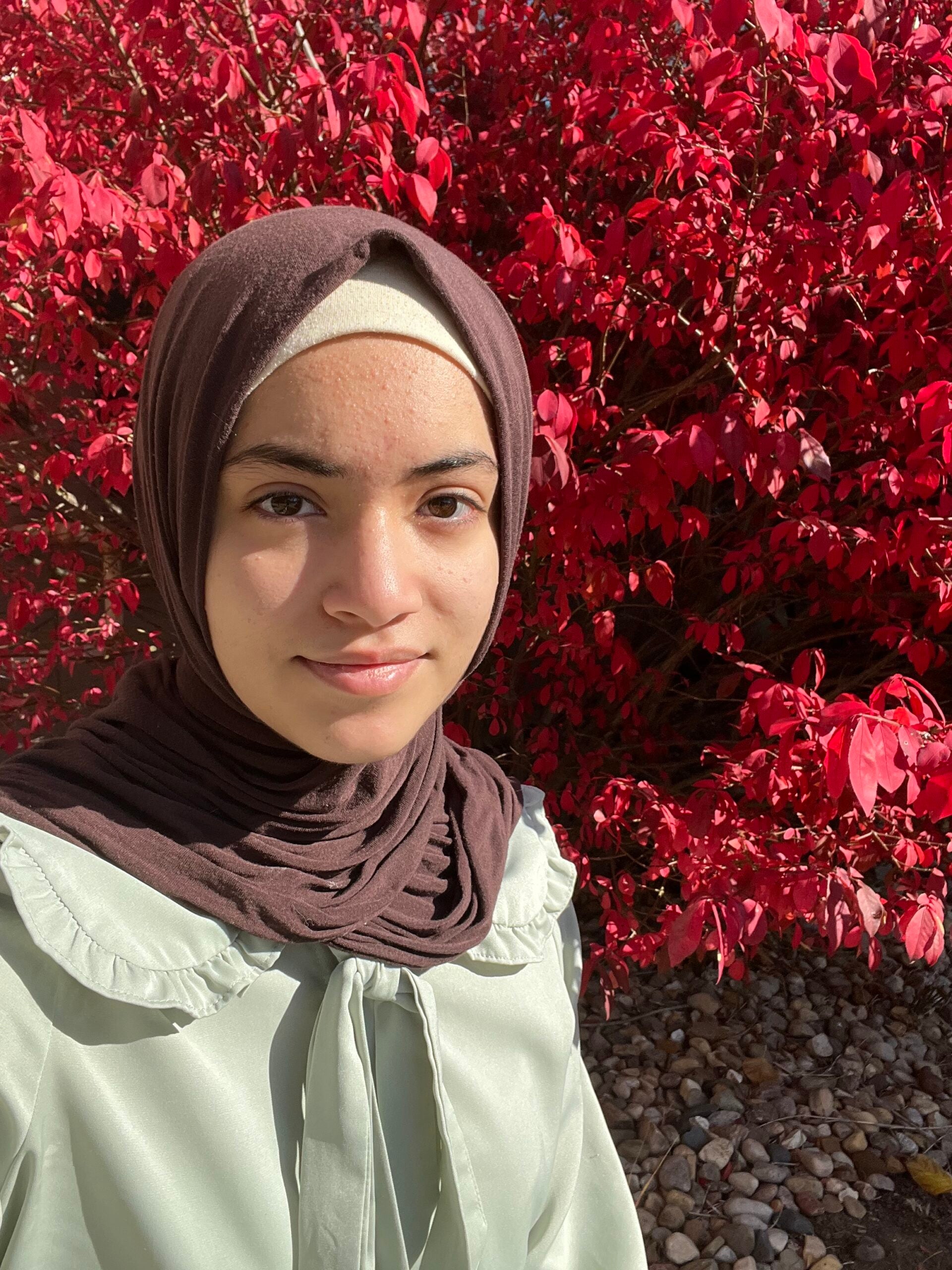
The days of scouring libraries for books to answer questions are behind us. With search engines like Google adapting AI models, digging through pages of search results may be phasing out too. However, this shift affects more than just convenience. By summarizing, framing, and tailoring responses to users’ assumptions, AI not only influences what information we have access to, but what we make of it.

This has become increasingly relevant with specialized topics within health, science, and public policy where conversations were relatively limited to experts in the field. Along with AI increasing accessibility to technical facts, our natural tendencies to simplify complex situations can lead to forming conclusions before we have a full understanding.

The result is not only disagreement over facts, but communities and narratives that reinforce these habits and perpetuate them. Yet while this seems like an inevitable outcome for any subject you can ask an AI tool about, through awareness and conscious research into subjects, it’s still possible to be knowledgeable at a time where under-informed confidence can seem like expertise.

Injy Wasfy is an undergraduate student studying electrical engineering at Bradley University while pursuing a minor in biology. With a focus on the medical field, she is interested in narrowing the gap between healthcare and technology during and beyond her time at Bradley.

As machine learning continues to expand across industries, Wasfy has explored its technical applications through engineering projects while remaining mindful of its broader societal impacts. Alongside her academic pursuits, she is a writer and speaker who examines how the rapid integration of artificial intelligence is reshaping perspectives, learning habits, and communities.

TEDxBradley University 2025 – Advancing Societal Priorities

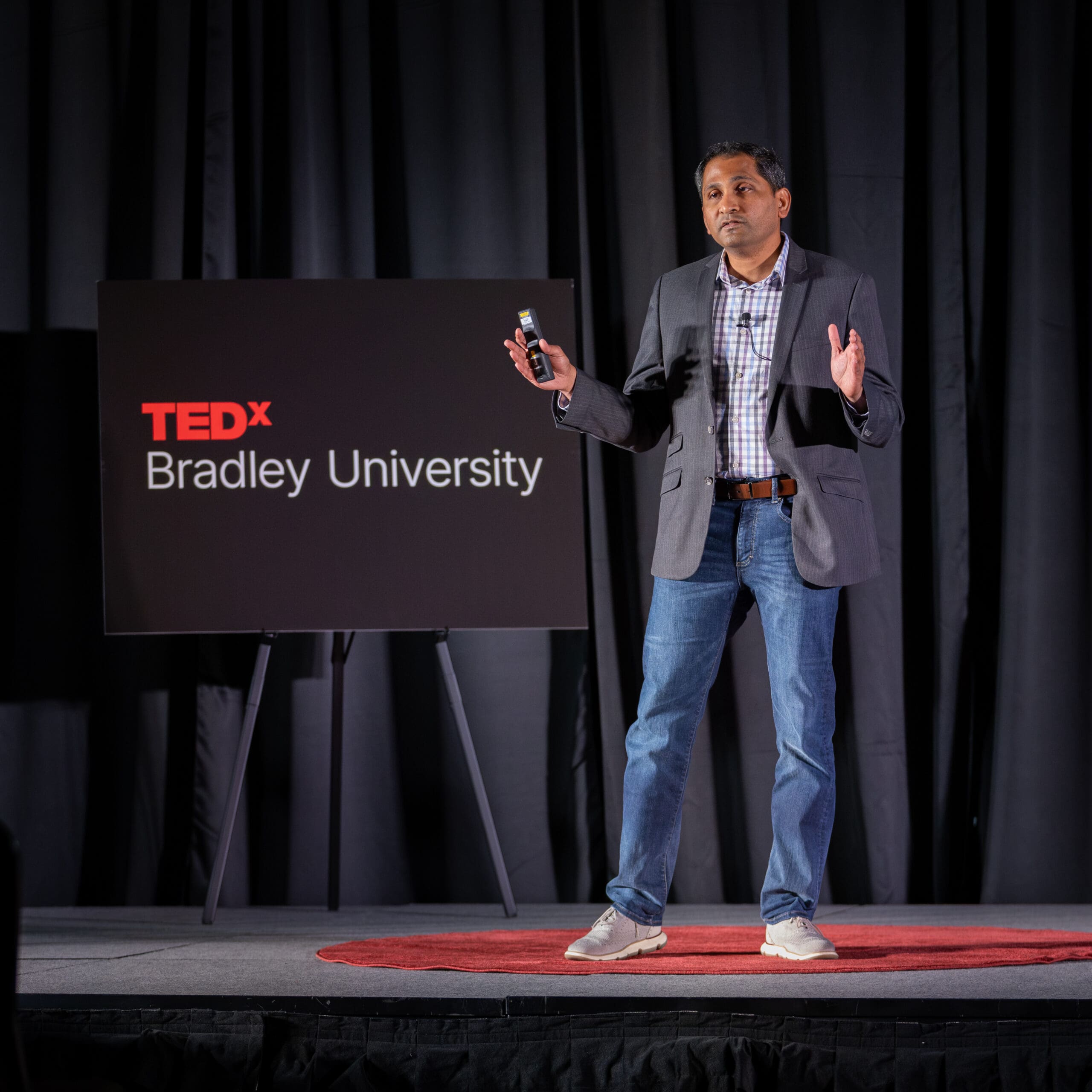
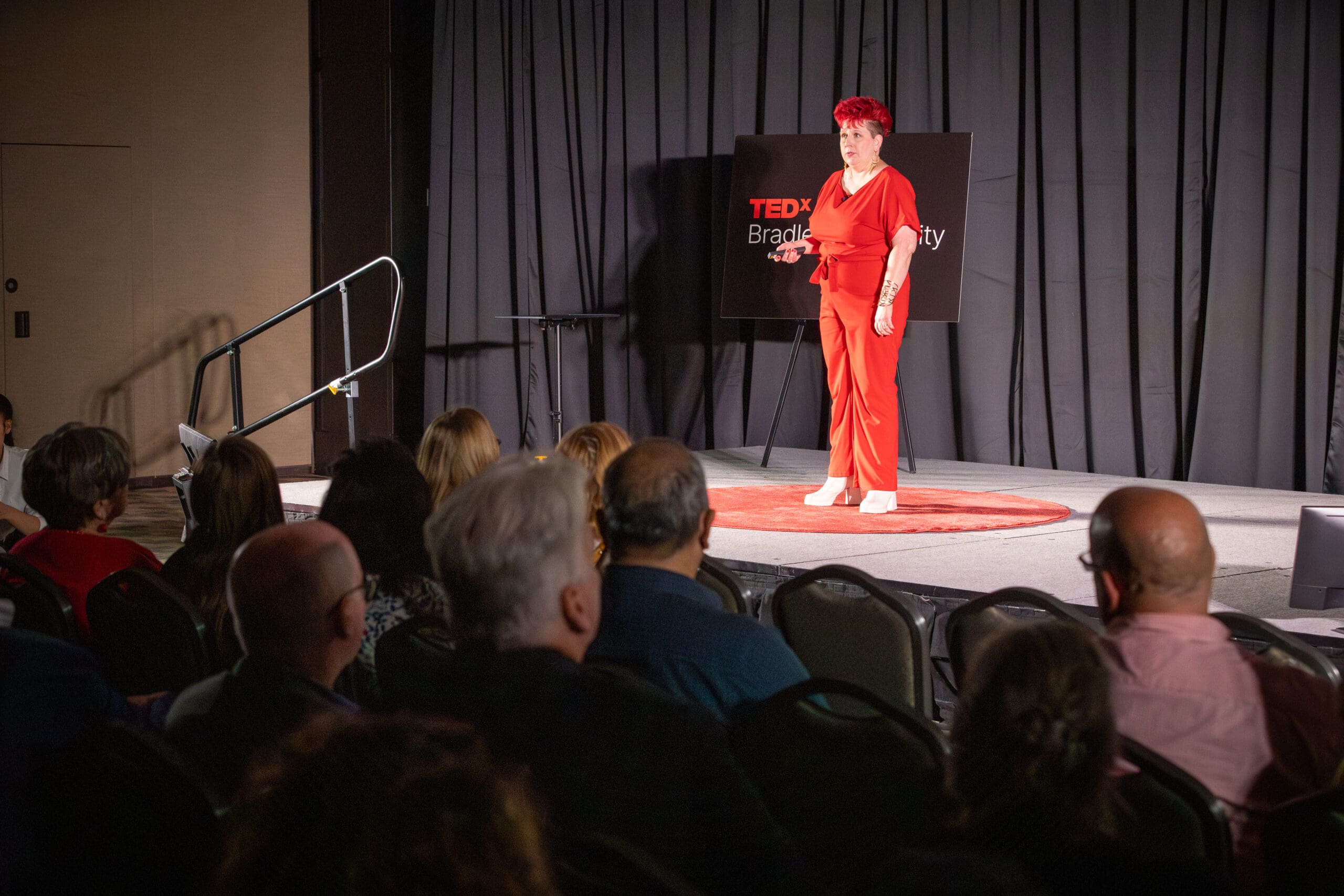
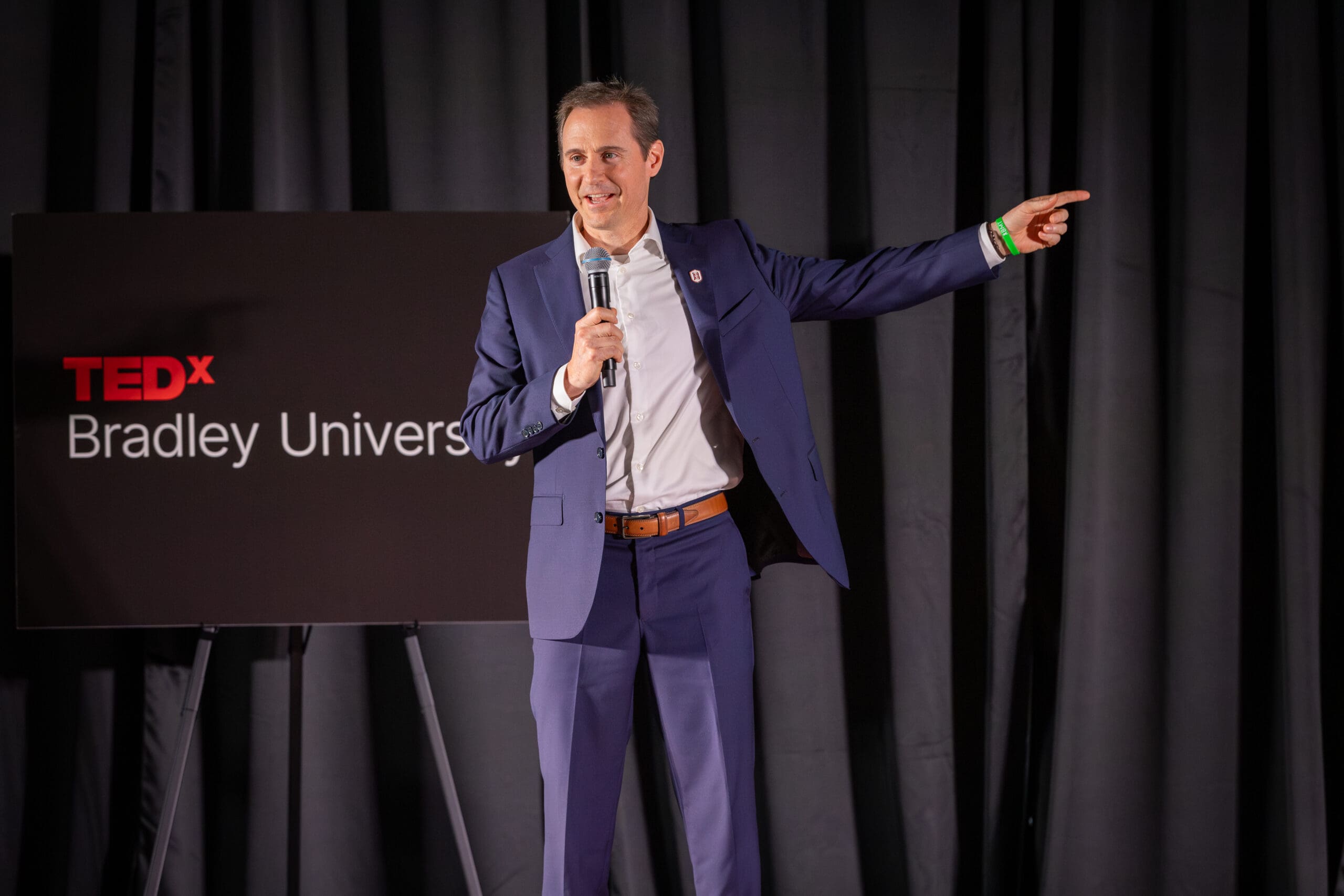
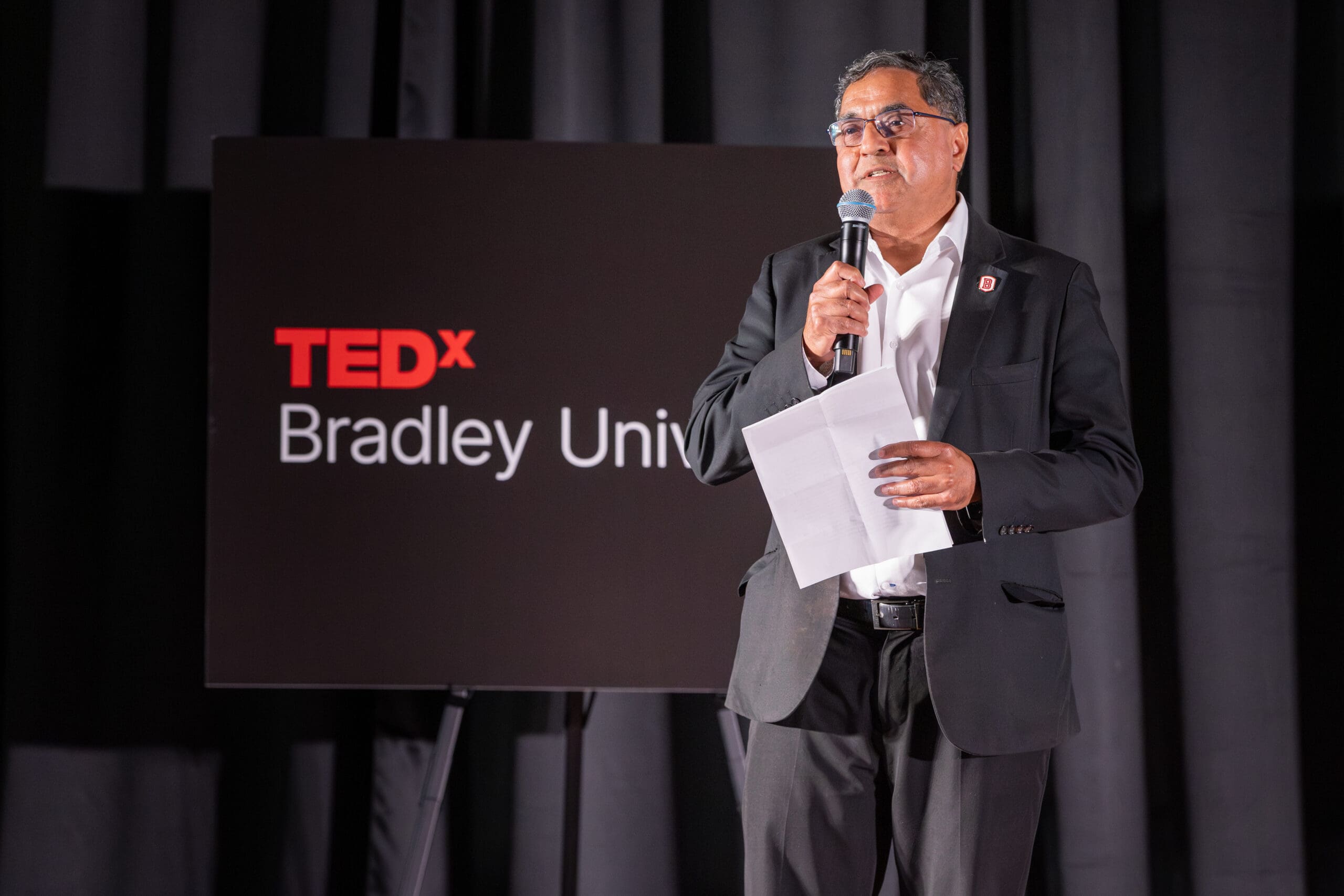
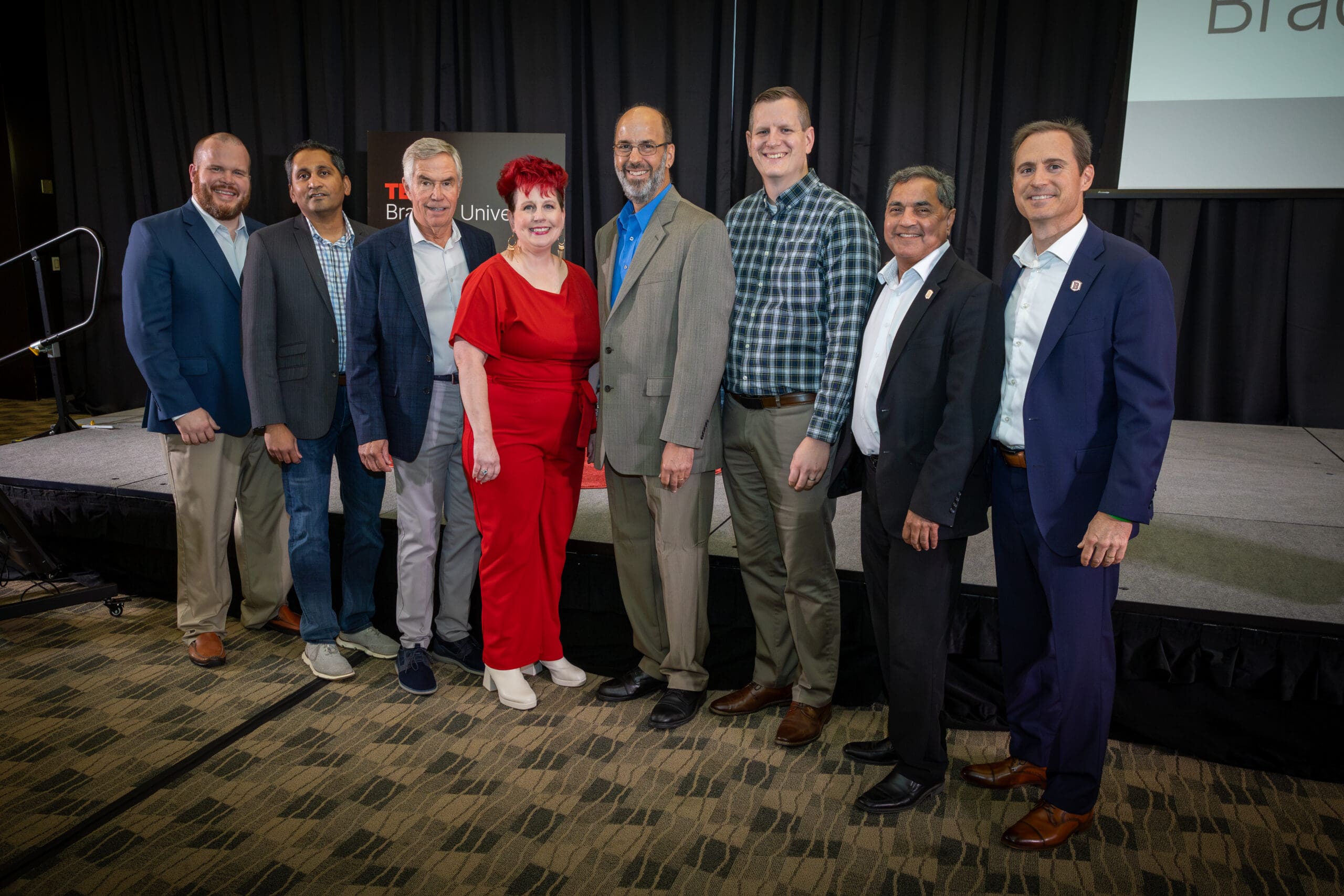
TEDxBradleyUniversity is designed to strengthen community connections in the Greater Peoria region. Our theme for 2025 is Advancing Societal Priorities and focuses the spotlight on innovative thinking and approaches to solve a broad array of challenges that face society today. Our speakers include thought leaders in healthcare, education, and strategy whose thought-provoking presentations will inspire us to collaborate and converge on practical solutions to positively impact society
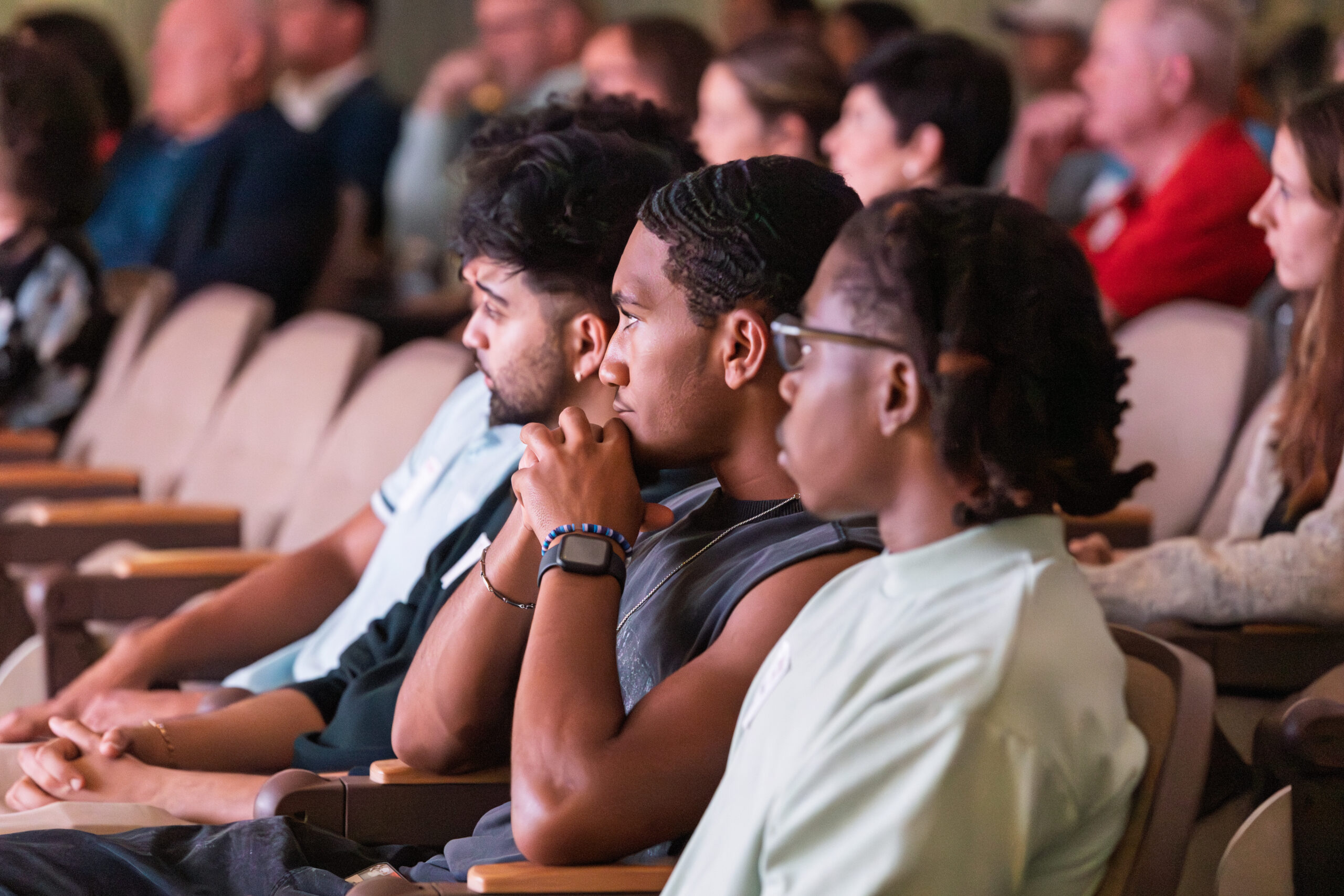
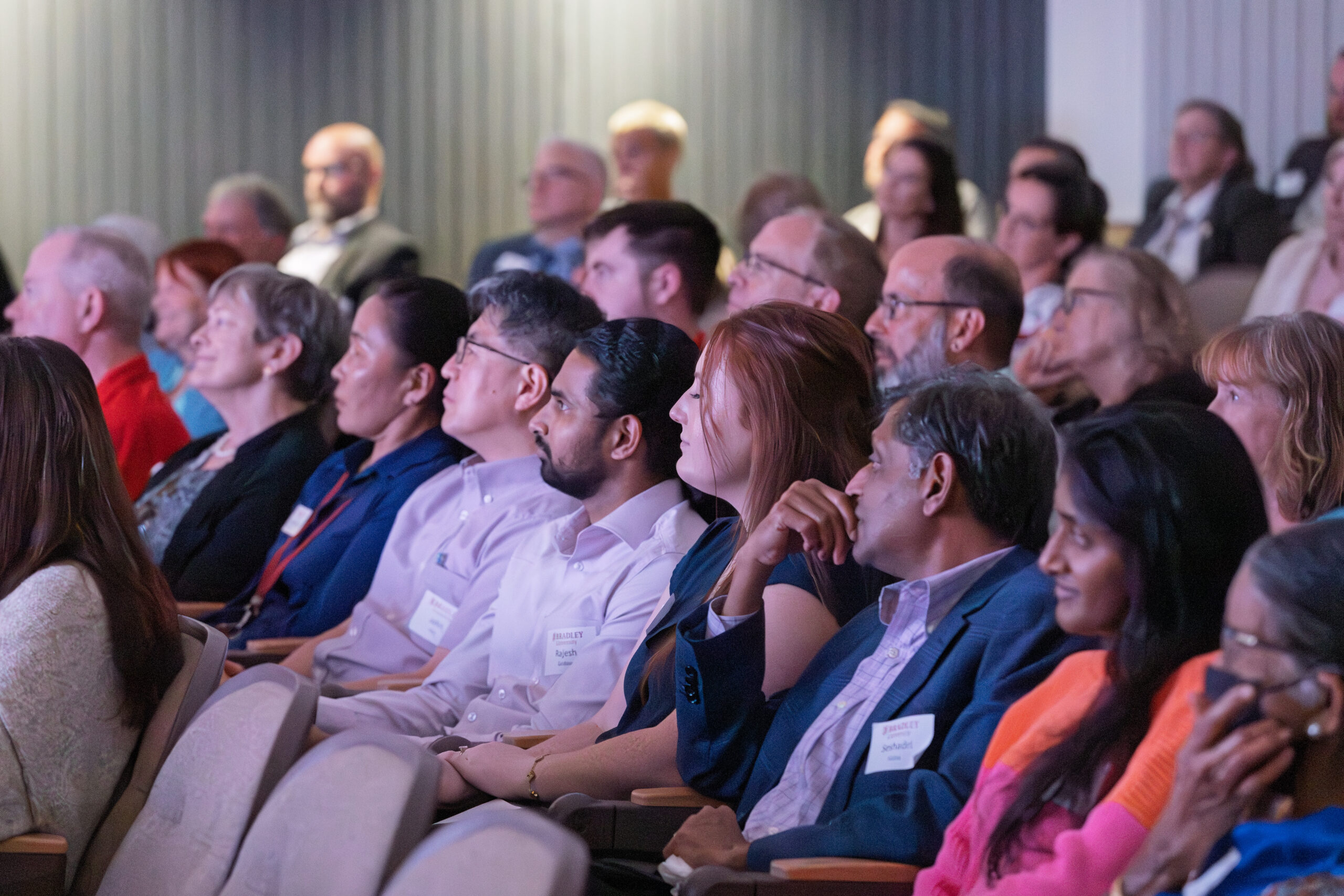
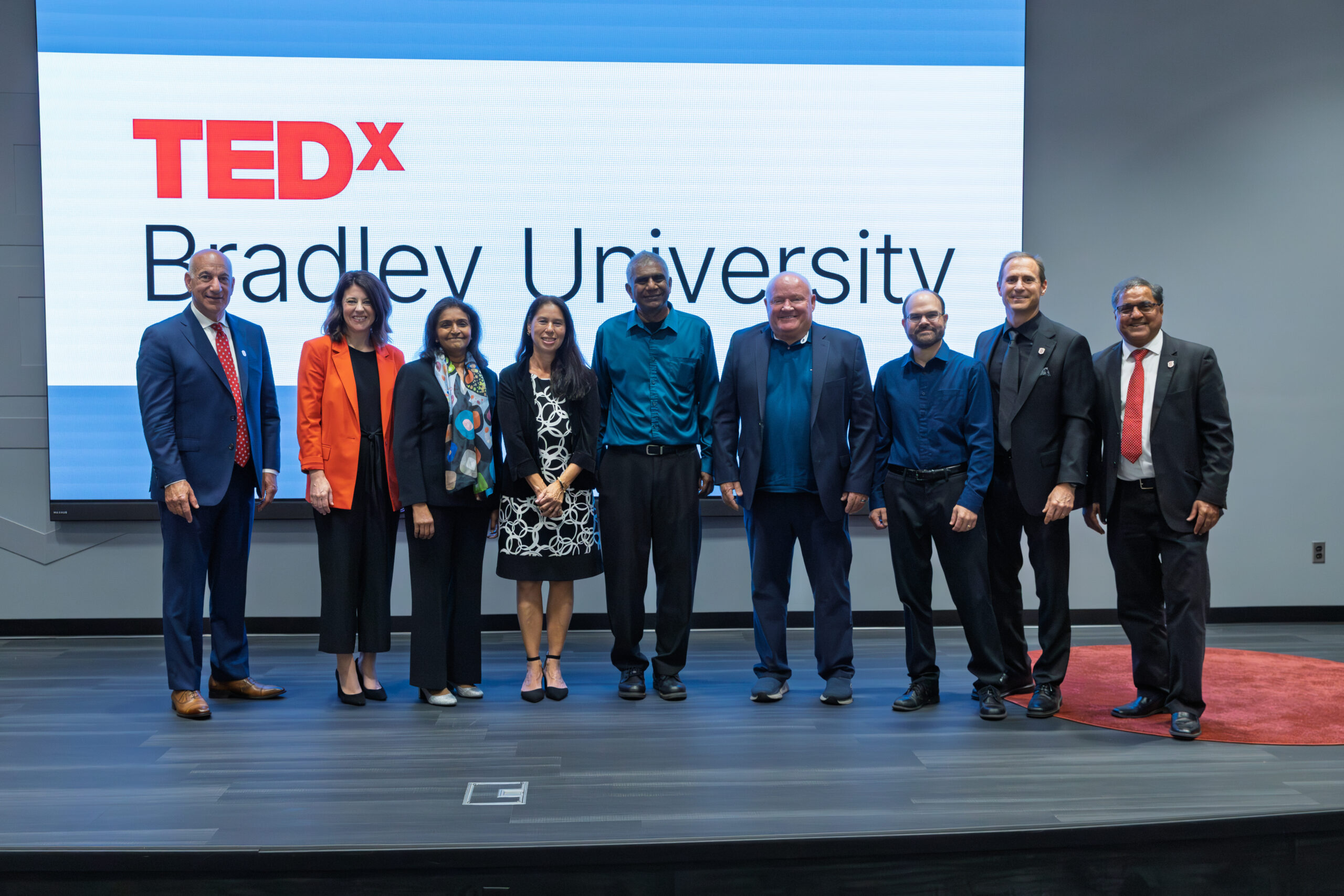
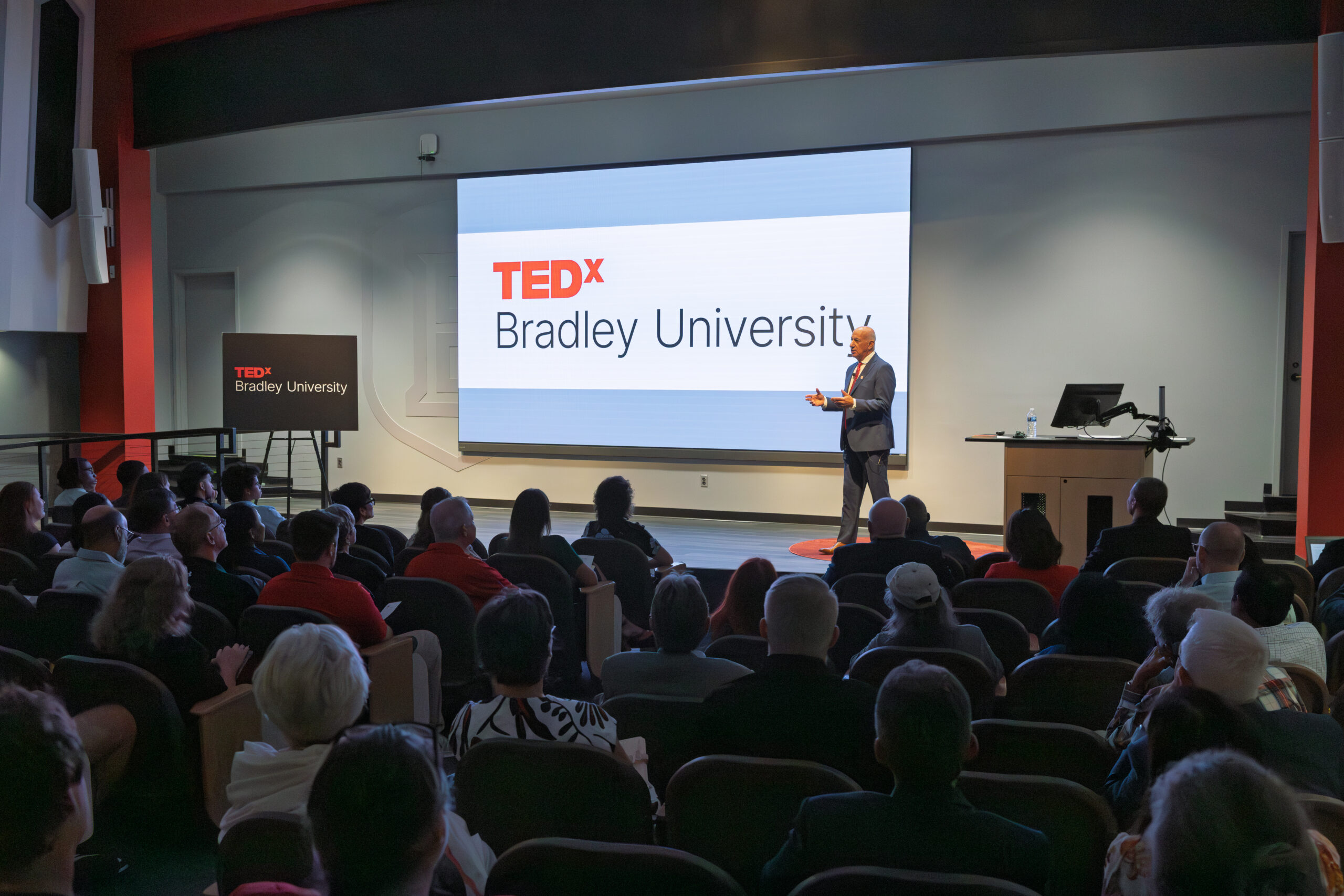
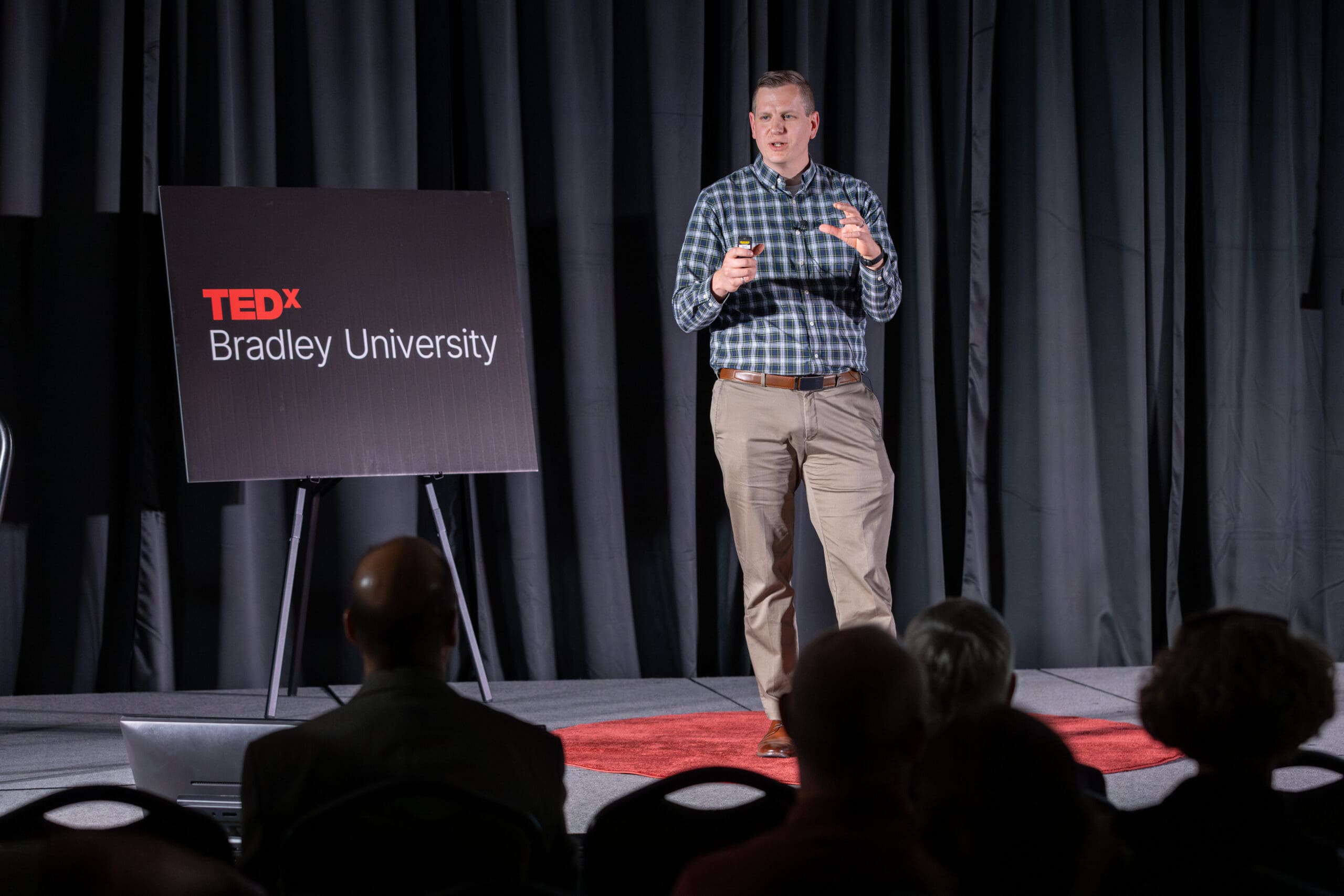
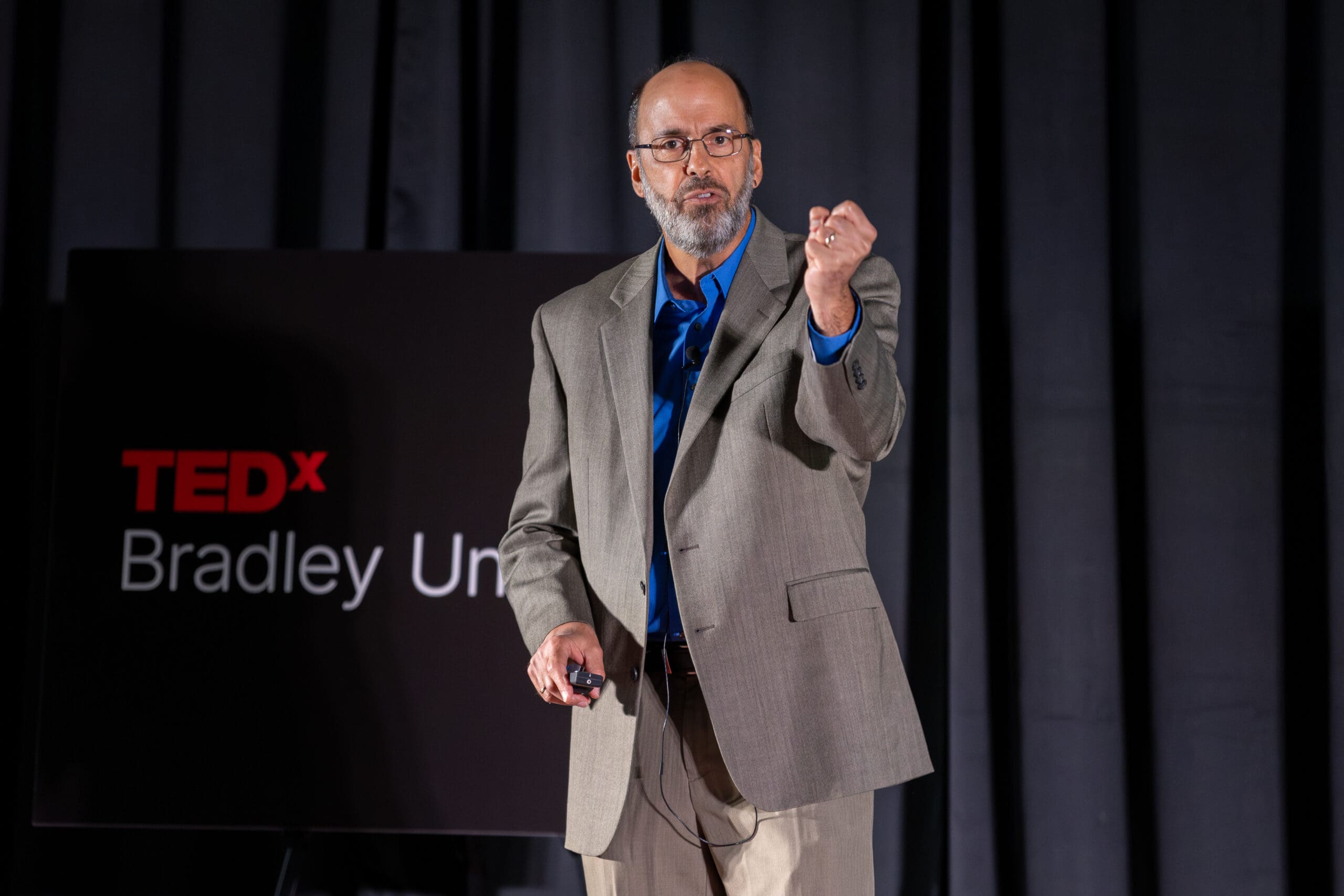
View our entire photo and video gallery from TEDxBradley University 2025.

This independent TEDx event is operated under license from TED

  • President James Shadid, Bradley University
  • Dr. Meenakshy Aiyer, Regional Dean, University of Illinois College of Medicine Peoria
  • Prof. Brad McMillan, Bradley University
  • Dr. Andy Gerhart, Lawrence Technological University
  • Dr. Patricia Welch Saleeby, Bradley University
  • Emily Shields, Chief Strategy Officer for OSF HealthCare
  • Dr. Sudesh Kannan, Author & Cybersecurity SME

President James Shadid, Bradley University

Courts, Colleges and the Common Good

The strength of our nation does not rest on any single institution — but rather on a network of institutions that, together, uphold our highest ideals. There are two constants in the United States: the rule of law and the value of higher education. From my years of service in the judiciary, I can say with conviction that we had no lobbyists, no fundraisers, and no army – we only had our judgment. When the American people lose trust in that judgment, it opens the door for those who wish to tear down the institution itself. The same is true for higher education. When people lose trust in the value of higher education, it opens the door for those who wish to undermine it. Our mission as leaders in education remains more relevant than ever today. Our role in higher education is to shape leaders, nurture critical thinkers, and transform dreamers into doers. Let us explore how we can get there as a community.

Dr. Meenakshy Aiyer, Regional Dean, University of Illinois College of Medicine Peoria

Health Shouldn’t Hurt: Bridging Women’s Healthcare Crisis

Women’s health outcomes today reflect a troubling reality: maternal health outcomes are flagged as a national crisis; maternal health complications persist long after delivery; menopause is under-discussed despite its sweeping impact; and diseases like heart attacks and depression go undetected or misdiagnosed. These gaps are not merely clinical. They’re systemic.

Women are the invisible majority in biomedical research. They’re present in numbers but absent in data. At the heart of the problem lies a research gap. For decades, biomedical studies have been leaving women underrepresented in trials and underserved in care. This oversight has led to misdiagnoses, ineffective treatments, and a healthcare system that often fails to meet women’s needs across their lifespan.

Investing in women’s health isn’t just equitable. It’s transformative. It improves outcomes for all and strengthens public health. American poet William Ross Wallace coined the phrase “The hand that rocks the cradle is the hand that rules the world.” His words speak to the influence and impact that mothers have within their homes and on the health and wellbeing of their families. Women are the driving force in shaping future generations and sustaining strong families and communities. The invisible majority deserves visibility, and visionary care.

Prof. Brad McMillan, Bradley University

Playing Nice in the Sandbox Advances Society

Central Illinois has a rich legacy of producing principled national leaders that are known for their civility, collaboration, and integrity. Here are some notable examples.

  • U.S. Senate Minority Leader Everett Dirksen played the pivotal legislative role in the passage of the landmark 1964 Civil Rights Act.
  • Bob Michel was the longest standing U.S. House Minority Leader in American history and played a key bipartisan role in shepherding legislation through Congress under President Reagan and President Bush.
  • Ray LaHood served with distinction as Secretary of Transportation under President Obama and while in Congress co-chaired three bipartisan congressional civility retreats.

The Institute for Principled Leadership at Bradley University is helping to develop a new generation of bipartisan, civil, collaborative, and ethical public servants. Higher education should teach college students, as adults, to play nice in the sandbox to help address our society’s most pressing issues.

Dr. Andy Gerhart, Lawrence Technological University

Higher Education: You’re Missing the Point

Has higher education advanced significantly since, say, the 15th Century? Sure, we’ve gained laptop computing, comfortable seating, whiteboards, cozy study spaces, air conditioning, and indoor plumbing. The majority of classroom instruction, though, seems to focus on subject-related content. In engineering education, I call this the technical content. The student is missing something as important: mindset education. While it is important for a fluid mechanics engineer to understand how to properly incorporate friction losses in the mechanical energy equation, what is the point in knowing that skill if it does not provide a meaningful and positive societal impact? Learning experiences should be designed so that the student must uncover opportunities that will create value, embrace lifelong learning, consider the ethical implications of decisions, and take responsibility for one’s decisions. These mindset learning objectives can be streamlined into any subject-related content.

Dr. Patricia Welch Saleeby, Bradley University

What if Your Diagnosis Was Just the Beginning?

Dr. Patricia Saleeby’s upcoming TEDx Bradley University talk addresses a critical challenge in modern healthcare: our emphasis on diagnostic labels at the expense of understanding how people actually function in their daily lives and their choices in life. Drawing from powerful personal stories and clinical cases, Dr. Saleeby advocates for a transformative shift toward functional-centered care and human flourishing. This paradigm shift represents hope for a healthcare future where every person is seen, heard, and supported in their journey toward optimal functioning and well-being. It’s a vision worth pursuing, one story, one patient, and one healthcare encounter at a time.

Emily Shields, Chief Strategy Officer for OSF HealthCare

Innovative Digital Strategies Expand Access to Rural Health Care

What happens when compassion meets cutting-edge technology in the most remote corners of our country? Rural communities often face significant barriers to health care — distance, provider shortages and limited resources. OSF OnCall, the digital health entity within OSF HealthCare, is turning that challenge into an opportunity for innovation. Through a strategic blend of virtual visits, mobile units, remote monitoring and embedded care teams, OSF is reimagining how — and where — care is delivered. These solutions are improving health outcomes while advancing equity, economic stability and community resilience. Grounded in its Catholic Mission and guided by a deep sense of purpose, OSF OnCall delivers personalized, timely care to patients who need it most. In this talk, Emily Shields shares how scalable, human-centered strategies are creating lasting change — not just in health care, but in the lives of the people it serves.

Dr. Sudesh Kannan, Co-Author “How to Beat the Heart Disease Epidemic among South Asians”

Bridging the Health Gap: From Knowing to Saving Lives

We all know what we should do for our health, yet often struggle to act on it. Dr. Sudesh Kannan, driven by personal loss and groundbreaking research into hidden heart risks, reveals this universal “knowledge-action gap.” He’ll introduce you to common mindsets that keep us stuck – from those in denial to those who try hard but get it wrong, or who repeatedly fall off track. Through compelling stories, Dr. K shows that the solution isn’t just more willpower, but the transformative power of community. Discover how applying Care, Curiosity, Compassion, and Collaboration can empower you to support your loved ones, helping them (and yourself) move beyond just surviving to truly thriving. Because when it comes to health, Knowledge + Action + Your Support = Lives Saved.

President James Shadid, Bradley University

James E. Shadid is Bradley University’s 13th president. He served as a United States District Judge for the Central District of Illinois, appointed to that position by U.S. President Barack Obama and unanimously confirmed by the U.S. Senate on March 7, 2011. Along the way, he ascended to chief judge during his federal stint on the bench. Prior to that, he was a state judge for 10 years, serving in the five-county 10th Judicial Circuit. After graduating from John Marshall Law School (now University of Illinois at Chicago School of Law) in 1983, he became an attorney in private practice in the Peoria area.

As a 1979 Bradley graduate, Shadid has long given back to his alma mater, both as an adjunct professor and as a former university Trustee.

Dr. Meenakshy Aiyer, Regional Dean, University of Illinois College of Medicine Peoria

Meenakshy Aiyer, MD, MACP, MHPE, serves as Regional Dean of the University of Illinois College of Medicine Peoria. After receiving her medical degree from the Madurai Kamaraj University in 1989, she came to the United States to complete her Internal Medicine Residency at the University of Louisville and the University of Illinois College of Medicine Peoria.


Under her leadership as regional dean, the Peoria campus has expanded its offerings in Graduate Medical Education as well as its delivery and collaboration supporting patient care throughout the region. Establishment of the new Center for Health Research expanded the College’s mission of research and outreach by enhancing understanding and finding solutions to support health equity and outcomes. UICOMP launched a new pathway program with Bradley University to provide opportunities and mentorship to students with local ties who have an interest in medical school.

Additionally, she led the Peoria Healthcare Collaborative Initiative to identify and address healthcare disparities in central Illinois and is a trusted and valued community leader having received the Athena International Woman of the Year Award from the Peoria Chamber of Commerce and the Woman to Woman Health Care/Wellness Award by the Women’s Fund of Central Illinois.

Prof. Brad McMillan, Bradley University

Brad McMillan is the Executive Director of the Institute for Principled Leadership in Public Service and the Director of the Graduate Nonprofit Leadership program at Bradley University. He has a long history of community and public service in Central Illinois and a record of bipartisan relationships with federal, state, and regional elected officials. Before joining Bradley, McMillan served for a decade as District Chief of Staff for former Congressman and Secretary of Transportation Ray LaHood. He has served on several boards such as CHANGE Illinois, The Nature Conservancy, Heartland Health Services, and the Build the Block referendum campaign that resulted in the magnificent Peoria Riverfront Museum.

In 2009, McMillan was named to the Illinois Reform Commission tasked by Governor Quinn to clean up state government. In 2021, he received Bradley’s Mergen award for outstanding public service. He has a Juris Doctor degree from Southern Illinois University School of Law and a B.A. degree in Political Science from Illinois Wesleyan University.

Dr. Andy Gerhart, Lawrence Technological University

Dr. Andrew Gerhart is a Professor of Mechanical Engineering at Lawrence Technological University (Southfield, MI) with primary focus areas including thermo-fluids, active and collaborative student-centered learning, and engineering education. Dr. Gerhart has written over 90 publications and authored four books, including the top-selling fluid mechanics textbook in the world. He has facilitated over 100 workshops worldwide on active learning and mindset education.


Dr. Gerhart was awarded the 2010 Michigan Professor of the Year (by the Carnegie Foundation for the Advancement of Teaching and the Council for Advancement and Support of Education), is a Fellow of the Engineering Society of Detroit, and is actively involved in the American Society for Engineering Educators and the American Society of Mechanical Engineers serving on the Performance Test Code Committee for Air-cooled Condensers

Dr. Patricia Welch Saleeby, Bradley University

Dr. Patricia Welch Saleeby is Professor and Department Chair of the Department of Sociology, Criminology and Social Work at Bradley University. She is the global Co-Chair of the Functioning and Disability Reference Group for the World Health Organization (WHO) that focuses on improving data quality and comparability of international classifications like ICD, ICF, and ICHI. As part of the WHO Environmental Task Force, she helped develop the first environmental categories and codes in the ICF that predates Social Determinants of Health.

Dr. Saleeby is a member of the Post-Acute Care Interoperability Project (PACIO) sponsored by CMS and MITRE Corporation as well as the GRAVITY Project, which is a national collaborative developing data standards around using and sharing information on social determinants of health. She is an International Advisory Board member for the Columbia-WHO Center for Global Mental Health, and a member of the Coalition for Social Work and Health, Council on Social Work Education, and the National Association of Social Workers.

Emily Shields, Chief Strategy Officer for OSF HealthCare

Emily Shields serves as Chief Strategy Officer for OSF HealthCare, responsible for leading the development, communication and execution of strategic initiatives that drive growth, innovation and long-term success for the organization. She also plays a key role in advancing the OSF HealthCare brand and shaping growth strategies that support the system’s Mission and future Vision.

Shields has successfully helped lead four hospital acquisitions, expanding the OSF HealthCare footprint to 17 hospitals. She has also spearheaded joint venture opportunities, including an inpatient behavioral health hospital and an ambulatory surgery center. She has worked to strengthen the presence of OSF in the health care community by building meaningful relationships with providers and health systems, and developing strategies to grow service lines and influence referral patterns. Additionally, she led an initiative that partnered with local and regional employers to create customized services that improve care quality, enhance the patient experience, and reduce costs.


Dr. Sudesh Kannan, Co-Author “How to Beat the Heart Disease Epidemic among South Asians” 

Dr. Sudesh Kannan PhD, known as Dr. K, transformed personal tragedy into a global mission. After losing his father early to heart disease and facing his own high cholesterol diagnosis, he co-authored “How to Beat the Heart Disease Epidemic Among South Asians”, uncovering critical genetic risks like lipoprotein(a). With a PhD in Materials Science and a background in human behavior change, Dr. K brings a unique scientific lens to health. An endurance athlete and meditation practitioner, he champions a powerful message: true well-being isn’t just about individual knowledge or action, but about the vital support we offer each other. His talk will inspire you to be a catalyst for health, helping yourself and your loved ones move from simply surviving to truly thriving.

TEDxBradley University 2024 – Discovery and Value Creation
This independent TEDx event is operated under license from TED

TEDxBradley University

Save The Date:
September 30, 2026
5:00-7:00 pm


Follow TED on Socials


In the spirit of discovering and spreading ideas, TEDx is a program of local, self-organized events that bring people together to share a TED-like experience. At a TEDx event, TED Talks video and live speakers combine to spark deep discussion and connection. These local, self-organized events are branded TEDx, where x = independently organized TED event. The TED Conference provides general guidance for the TEDx program, but individual TEDx events are self-organized. (Subject to certain rules and regulations.) TEDxBradley University event site.

About TED

TED is a nonprofit, nonpartisan organization dedicated to discovering, debating and spreading ideas that spark conversation, deepen understanding and drive meaningful change. Our organization is devoted to curiosity, reason, wonder and the pursuit of knowledge — without an agenda. We welcome people from every discipline and culture who seek a deeper understanding of the world and connection with others, and we invite everyone to engage with ideas and activate them in your community.

TED began in 1984 as a conference where Technology, Entertainment and Design converged, but today it spans a multitude of worldwide communities and initiatives exploring everything from science and business to education, arts and global issues. In addition to the TED Talks curated from our annual conferences and published on TED.com, we produce original podcasts, short video series, animated educational lessons (TED-Ed) and TV programs that are translated into more than 100 languages and distributed via partnerships around the world. Each year, thousands of independently run TEDx events bring people together to share ideas and bridge divides in communities on every continent. Through the Audacious Project, TED has helped catalyze more than $3 billion in funding for projects that seek to make the world more beautiful, sustainable and just. In 2020, TED launched Countdown, an initiative to accelerate solutions to the climate crisis and mobilize a movement for a net-zero future, and in 2023 TED launched TED Democracy to spark a new kind of conversation focused on realistic pathways towards a more vibrant and equitable future. View a full list of TED’s many programs and initiatives.